City Park and Environmental Stewardship in West Kendall
Learn how City Park improves environmental conditions in West Kendall with 250 acres of open space, advanced stormwater systems, sustainable design, and responsible growth adjacent to the Urban Development Boundary.
When communities grow, it is natural for residents and families to ask how that growth will affect the environment. In West Kendall, concerns about open space, water quality, farmland, and long-term sustainability are important and deserve clear, fact-based answers.
City Park was planned with these priorities in mind. From land use and water management to open space and resilience, City Park reflects a more thoughtful approach to growth that will have an immediate positive impact on our environment.
Improving Environmental Conditions in West Kendall
The City Park site is not environmentally sensitive land. Miami-Dade County and the State of Florida have confirmed there are no wetlands on the site, and it lies outside protected buffers and environmentally restricted areas. Independent technical reviews, GIS analysis, and there are no endangered species or wildlife habitats. The site is also approximately 2.5 miles from the closest Everglades boundary.
Today, the land has been leased only for row crops and is not part of the high-value tropical fruit and nursery farmland identified as most critical to protect. Current agricultural practices rely on fertilizers (which cause fertilizer runoff), herbicides, and pesticides, and provide limited environmental benefits.
City Park replaces these conditions with a more resilient and sustainable landscape.
More Open Space Than What Exists Today
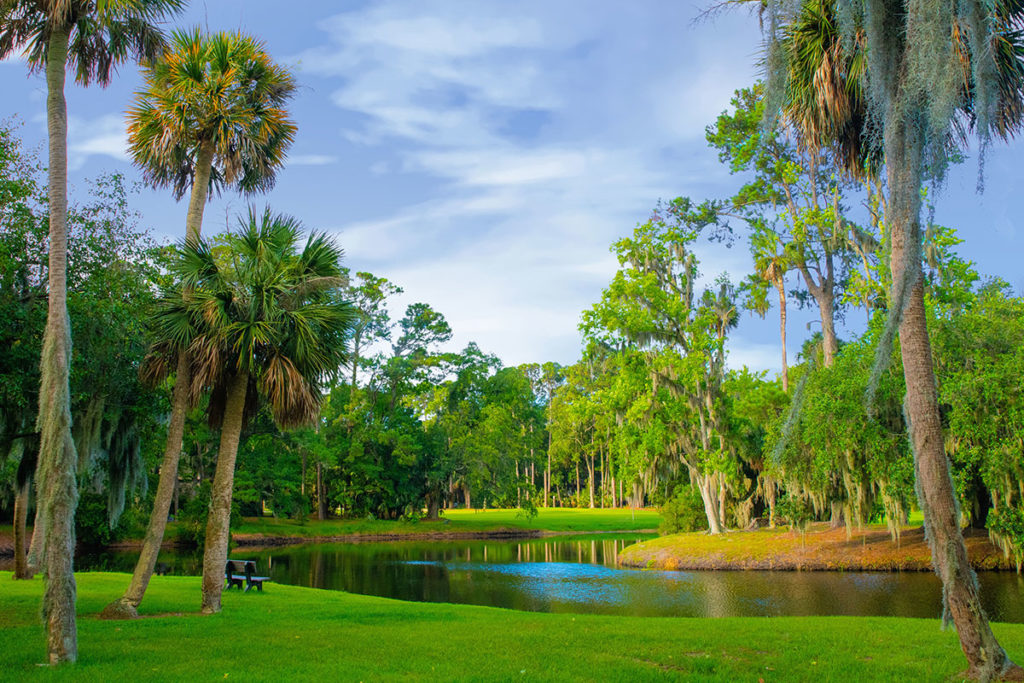
Nearly 25 percent of City Park will be dedicated to parks, lakes, greenways, and open space. More than 250 acres are designed not only for recreation but to actively improve stormwater management, flood protection, and water quality.
Advanced stormwater systems will capture and treat rainfall, reducing runoff and improving water conditions. These modern systems recharge and protect our aquifer, our main source of drinking water, help protect nearby communities, and support long-term environmental resilience.
Protecting Farmland by Preventing Sprawl
One of the most common concerns is the impact on farmland. In reality, unplanned sprawl poses a greater risk to Miami-Dade’s agricultural future than City Park.
By concentrating homes, jobs, schools, and amenities in one complete community adjacent to existing development, City Park helps prevent growth from pushing farther west into the Everglades. This approach protects the areas that matter most while reducing pressure on open land.
City Park also keeps agriculture connected to daily life. Plans include a community farm where residents can grow produce, a year-round farmers market for local growers, and farm-to-table connections with local restaurants. These initiatives support local agriculture while honoring the area’s farming heritage.
Designed for Resilience and Sustainability
Environmental responsibility at City Park extends beyond land use. Homes and buildings will meet modern sustainability standards, including energy-efficient design, with options for features such as solar panels and water reuse systems.
By supporting walking, biking, and transit and reducing the need for long daily commutes, City Park helps lower vehicle emissions and improve air quality across West Kendall and South Dade.
Understanding the Urban Development Boundary Line
There is a misconception that the Urban Development Boundary, or UDB, was meant to be permanent. In reality, the UDB was created as a planning tool that Miami-Dade County reviews on an ongoing basis to guide smart, responsible growth.
City Park is located directly adjacent to the existing Urban Development Boundary and next to established development, making it a logical place for growth. Its comprehensive planning, environmental safeguards, and commitment to open space demonstrate that growth can occur responsibly without pushing farther into sensitive land.
As South Florida continues to grow, opportunities for thoughtful, well-planned development within the existing UDB have become increasingly limited. This makes it harder to meet community needs for housing and jobs while protecting the environment, as unmanaged sprawl places greater pressure on truly sensitive land farther west.
A Healthier Balance for West Kendall
City Park represents a balanced approach to growth that respects the environment while addressing real needs for jobs, housing, and quality of life.
By improving stormwater systems, expanding open space, protecting high-value farmland from sprawl, and designing for long-term resilience, City Park will leave the land better than it was before. It shows that environmental stewardship and community growth can move forward together.
For West Kendall residents and families, City Park offers not just new opportunities but also a healthier, more sustainable future.